


Blog
22nd October 2026
How to Increase Your Bench Press: 7 Fixes That Add Real Kilos
Almost everyone who lifts wants a bigger bench press, and almost everyone gets stuck at some point. The bar that flew up last month suddenly feels nailed to your chest, and adding weight seems impossible no matter how many times you train chest. The frustrating part is that most stalls have nothing to do with how hard you are trying and everything to do with fixable mistakes in technique, programming, and recovery. Learning how to increase your bench press is less about brute effort and more about correcting the small things holding you back. At Lucyfer Gym, these are the exact fixes our trainers use to break members through their plateaus, and here are the seven that add real kilos to the bar.
1. Fix Your Setup Before You Touch the Bar
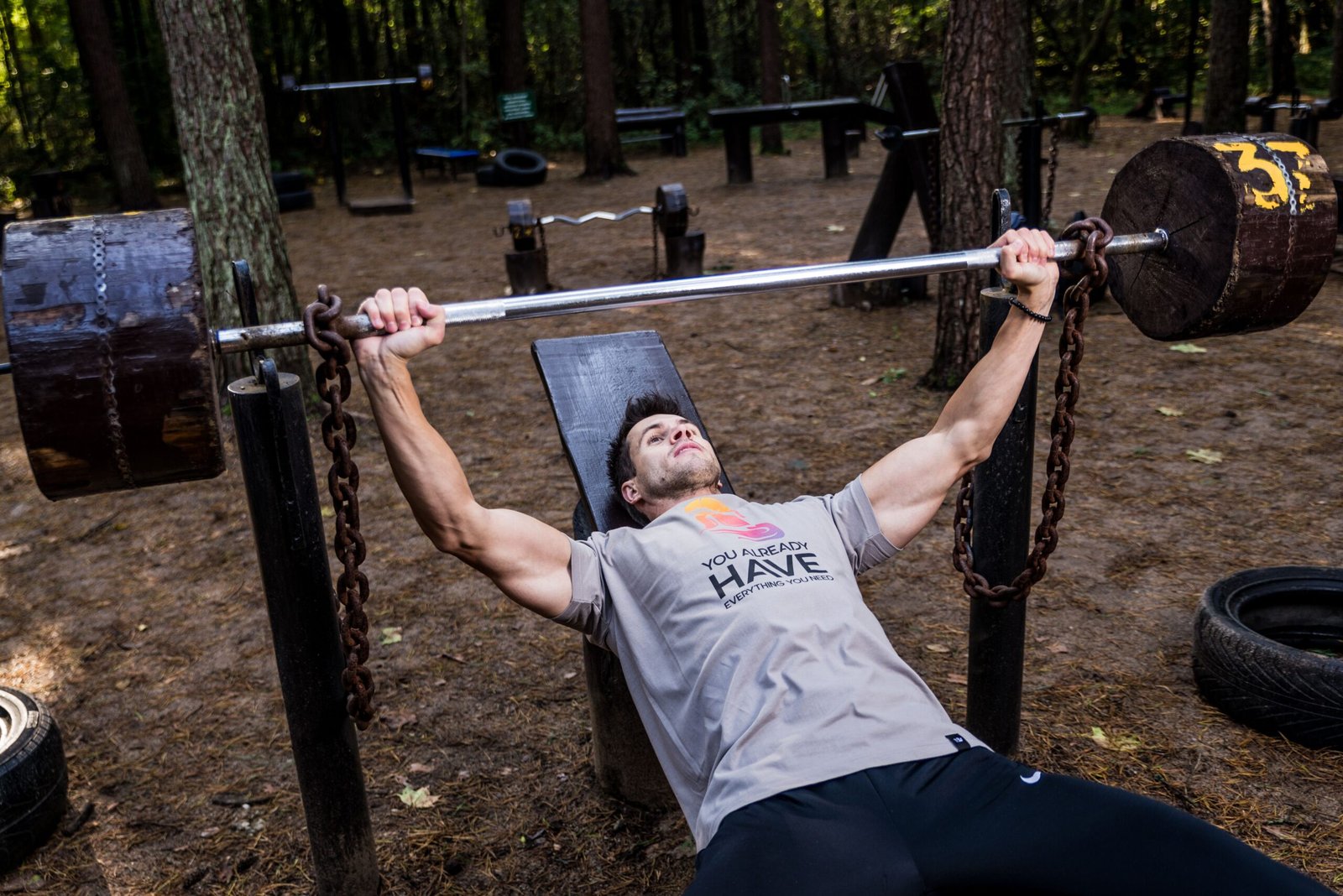
Most weak benches are lost before the first rep. A proper setup creates a stable base that lets you press far more weight safely. Plant your feet firmly on the floor, squeeze your shoulder blades together and pull them down, and keep a slight natural arch in your lower back. This tightness turns your body into a solid platform instead of a soft surface the weight sinks into.
Grip the bar evenly, usually slightly wider than shoulder width, and hold it low in your palms near the base, not up by the fingers. A sloppy, loose setup leaks power on every single rep. Nail this one thing and many lifters add weight immediately, before changing anything else about their training.
2. Build a Stronger Chest, Shoulders, and Triceps
The bench press is not just a chest exercise. Your triceps and front shoulders do an enormous amount of the work, especially through the top half of the press. If any of these are a weak link, your bench stalls regardless of how strong your chest is.
This is why learning how to increase your bench press means training the supporting muscles directly. Add close grip bench press and dips for triceps, overhead press for shoulders, and incline press for the upper chest. Rows and back work matter too, because a strong back stabilises the whole movement. Our guide on free weights vs machines explains why these free weight compound movements build pressing strength faster than machines alone.
3. Apply Progressive Overload the Smart Way
If you bench the same weight for the same reps every week, your body has no reason to get stronger. Progressive overload, gradually demanding more over time, is the engine behind every kilo you will ever add. But adding 5 kg every session is unrealistic and leads straight to a stall.
Instead, make small jumps. Add 2.5 kg when you hit your target reps, or squeeze out one extra rep before increasing weight. Keep a log of every session so you always know what to beat. This steady, measured progression is the same principle that drives results in our blog on bodybuilding for beginners, and it works just as well for pushing a stubborn bench upward.
4. Train Your Bench More Than Once a Week
Benching once a week is rarely enough to drive fast progress. Pressing is a skill as much as a strength feat, and practising it more often sharpens your technique while building strength. Training the movement two or even three times a week, with varied intensity, usually produces quicker gains than a single heavy session.
Structure it so the sessions differ. One day heavier with lower reps, another lighter with more volume or a variation like close grip or incline. This gives your muscles more total practice and growth stimulus without burning you out, as long as you manage recovery between sessions properly.
5. Stop Rushing Your Reps
Ego and impatience wreck more benches than weak muscles do. Bouncing the bar off your chest, flaring your elbows, or firing reps up with no control might move the weight once, but it builds nothing and invites injury. Controlled reps build real, repeatable strength.
Lower the bar under control over 2 to 3 seconds, touch your chest lightly without bouncing, and drive up with intent. Keep your elbows tucked at roughly 45 degrees rather than flared out wide, which protects your shoulders and puts you in a stronger pressing position. Slower, cleaner reps feel harder, and that difficulty is exactly what makes you stronger.
6. Eat and Recover Like You Mean It
You cannot build a stronger bench on poor fuel and poor sleep. Strength is built during recovery, not during the workout itself. Without enough protein and calories, your muscles simply cannot repair and grow back stronger after hard pressing sessions.
Aim for 1.6 to 2 grams of protein per kilogram of body weight daily, and make sure you are eating enough overall to support strength gains. Our guide on protein for gym goers breaks down exactly how much you need. Sleep is the other half: 7 to 8 hours lets your nervous system and muscles recover fully, which directly translates to more weight on the bar. Skimp on either and your bench stalls no matter how well you train.
7. Deload When You Hit a Wall
Sometimes the fix for a stuck bench is to back off, not push harder. If you have trained hard for weeks and your numbers are stalling or dropping, you may be fatigued rather than weak. A deload week, where you reduce weight and volume to around 60 percent for a week, lets your body recover fully and often leads to a jump in strength right after.
Many lifters resist this, fearing they will lose progress. The opposite happens. You come back fresher, stronger, and ready to push past the plateau that frustrated you. Smart lifters build deloads into their training every 6 to 8 weeks rather than grinding themselves into the ground. According to Mayo Clinic, adequate rest between strength sessions is essential for muscles to recover and grow, and that applies to full recovery weeks too.
Conclusion
Figuring out how to increase your bench press comes down to seven fixable things: a tight setup, strong supporting muscles, smart progressive overload, more frequent pressing, controlled reps, proper eating and recovery, and a well-timed deload when you stall. None of them require superhuman effort, just attention to the details most lifters ignore. Apply even a few of these and the bar that felt impossible last month starts moving again. If you want a trainer to check your form and build a pressing program that keeps your bench climbing, the team at Lucyfer Gym in Whitefield will set you up. Walk in any day between 5:30 am and 10:30 pm and add real kilos to your bench.