


Blog
9th October 2026
PCOS and Exercise: How the Right Gym Routine Eases Symptoms
PCOS affects roughly one in five women in India, yet most are handed a prescription and told to lose weight, with no one explaining how. The gap is frustrating, because the right kind of exercise is one of the most powerful tools for managing PCOS, and the wrong kind can quietly make things worse. Understanding how PCOS and exercise work together changes everything, from your energy to your cycle to your long-term health. At Lucyfer Gym, we train women managing PCOS every week, and the ones who follow a smart routine see real change in their symptoms. Here is what actually works.
What PCOS Does to Your Body
PCOS, or polycystic ovary syndrome, is a hormonal condition where the body often struggles with insulin resistance, meaning your cells respond poorly to insulin and your body produces more of it to compensate. That excess insulin drives up androgen levels, which fuels the familiar symptoms: irregular periods, stubborn weight gain around the belly, acne, unwanted hair growth, and difficulty losing weight no matter how little you eat.
The insulin piece is the key, because it is exactly what the right exercise targets. Improving how your body handles insulin eases the whole chain of symptoms downstream, which is why training is medicine for PCOS, not just a weight loss tool.
Why Strength Training Is the Game Changer
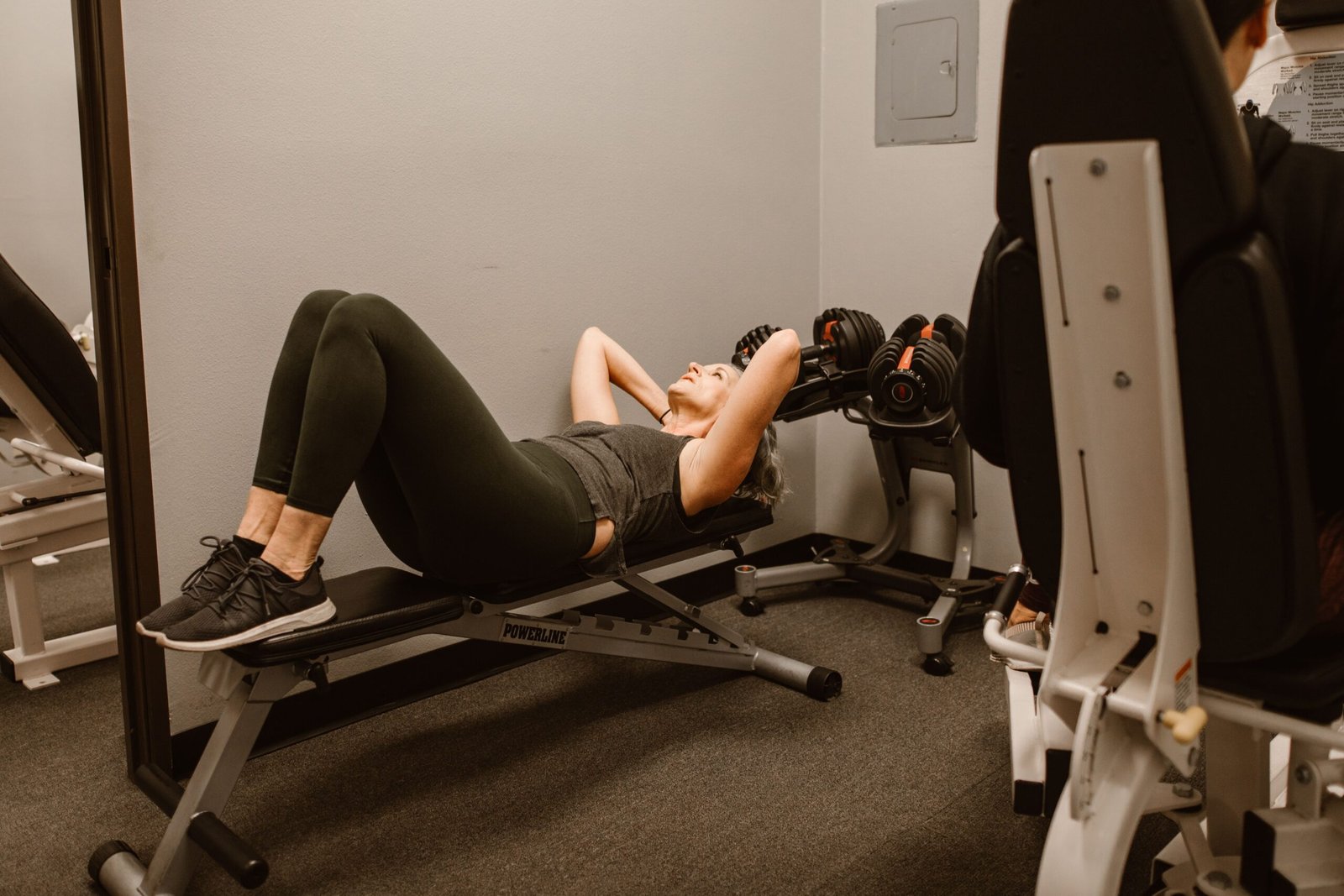
If you take one thing from this blog, make it this: strength training is the single most effective exercise for PCOS. Building muscle dramatically improves insulin sensitivity, because muscle tissue pulls glucose out of your blood and uses it for energy, which lowers the insulin your body needs to produce. Less insulin means lower androgens, which means easing symptoms at the root.
Strength work also raises your resting metabolism, making the stubborn PCOS weight easier to manage. You do not need heavy barbells on day one. Start with 3 sessions a week of basic compound movements like squats, leg press, rows, and presses. If the weights section feels intimidating, our guide on free weights vs machines shows exactly where beginners should start. And if you are worried lifting will make you bulky, our post on weight training for women puts that myth to rest.
Why You Shouldn’t Overdo Cardio
This is where many women with PCOS go wrong. Told to lose weight, they throw themselves into hours of intense daily cardio, and their symptoms get worse instead of better. The reason is cortisol. Long, exhausting cardio sessions spike this stress hormone, and high cortisol worsens insulin resistance and hormonal imbalance, the exact things you are trying to fix.
That does not mean no cardio. Moderate cardio helps, it just needs the right dose. Short intervals work especially well, since they improve insulin sensitivity without hammering your system for an hour. Our guide on HIIT for fat loss explains the format, though for PCOS, keeping sessions to 20 minutes and 2 to 3 times a week is plenty. Pair that with brisk walking on other days and your cortisol stays in check while fat loss continues.
The Ideal Weekly Routine for PCOS
Here is a balanced week that targets insulin resistance without overloading your stress hormones.
Step 1: Strength train 3 days a week, for example Monday, Wednesday, and Friday, focusing on full body compound movements.
Step 2: Add 2 short HIIT or interval sessions of around 20 minutes, placed on non-consecutive days.
Step 3: Fill 1 or 2 remaining days with gentle movement like walking, yoga, or stretching, which lowers cortisol and aids recovery.
Step 4: Keep at least 1 full rest day, because recovery is when your hormones rebalance.
Consistency matters far more than intensity here. Four moderate, well-structured sessions a week beat seven punishing ones that leave you drained and inflamed.
Diet, Sleep, and the Bigger Picture
Exercise works best alongside two other pillars. Protein and fibre help steady blood sugar and reduce the insulin spikes that drive PCOS, so building meals around them makes a real difference. Our breakdown on protein for gym goers covers how much you need. Sleep is the quiet factor most people ignore: poor sleep worsens insulin resistance and cravings overnight, so 7 to 8 hours is non-negotiable. Managing stress through the gentler movement days rounds out the approach. According to Johns Hopkins Medicine, even modest weight loss and lifestyle change can restore more regular cycles and ease symptoms significantly.
Conclusion
PCOS and exercise are a genuinely powerful combination when you train smart instead of hard. Prioritise strength training to attack insulin resistance at its source, keep cardio moderate so cortisol stays low, build a balanced weekly routine with real rest, and support it all with protein, fibre, and proper sleep. You will not fix PCOS overnight, but within a few consistent months most women notice steadier energy, better cycles, and easier weight management. If you want a routine built specifically around your body and your symptoms, the trainers at Lucyfer Gym in Whitefield design PCOS-friendly programs and guide you through every session. Walk in any day between 5:30 am and 10:30 pm and take the first step.