

Blog
13th October 2026
Deadlift Benefits: Why One Lift Transforms Your Whole Body
If you could only do one exercise for the rest of your life, the deadlift would be the smartest choice you could make. No other single movement works as many muscles, builds as much real-world strength, or changes your body as completely. Yet it is also the lift most beginners avoid, scared off by its reputation and the fear of hurting their back. The truth is that the deadlift benefits almost every part of your body, and when done with correct form it actually protects your back rather than threatening it. At Lucyfer Gym, it is one of the first big lifts our trainers teach, and here is why it deserves a place in your routine.
What a Deadlift Actually Is
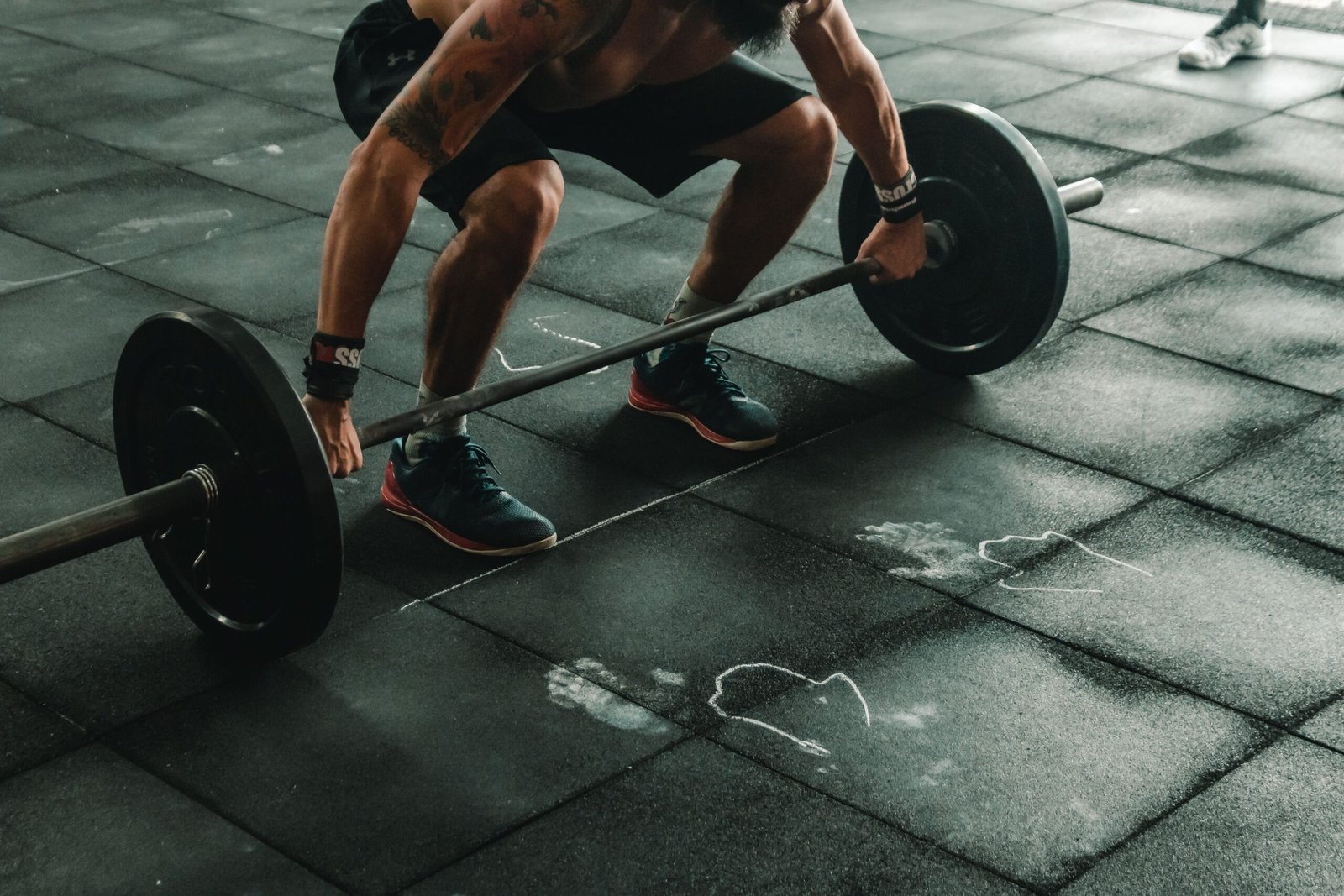
The deadlift is simple in concept: you lift a loaded barbell from the floor to hip height by driving through your legs and hips, then set it back down. That is it. But that one movement forces your entire body to work as a single coordinated unit, which is exactly what makes it so powerful.
Unlike machine exercises that isolate one muscle, the deadlift is a full body compound lift. Your legs push, your hips drive, your back holds everything rigid, your core braces hard, and your grip fights to hold the bar. Few movements in or out of the gym demand so much from so many muscles at once, and that total-body demand is the root of every benefit below.
It Builds Strength Across Your Entire Body
The headline among all deadlift benefits is raw, usable strength. In a single rep you train your hamstrings, glutes, quads, lower and upper back, core, forearms, and grip. This is why the deadlift carries over to real life better than almost any gym exercise. Lifting a heavy suitcase, moving furniture, picking up a child, these are all deadlift patterns, and training the movement makes daily life physically easier.
It is also unmatched for building muscle, because working more muscle mass in one lift triggers a bigger overall growth response. For anyone chasing a stronger, more athletic body, the deadlift delivers more per rep than any isolation exercise could. If you are still deciding between the machine and free weight side of the gym, our guide on free weights vs machines explains where a lift like this fits in.
It Strengthens Your Back and Improves Posture
The biggest myth about deadlifts is that they are bad for your back. Done with proper form, the opposite is true. The deadlift builds the muscles along your spine and across your posterior chain, the entire back of your body, which are the exact muscles that keep you upright and stable. Strong back muscles mean better posture and far less risk of the back pain that plagues desk workers.
For professionals who spend nine hours hunched over a laptop, this is one of the most valuable deadlift benefits of all. Years of sitting weaken the posterior chain and round the shoulders forward. Deadlifting reverses that pattern, pulling your posture back into alignment and relieving the aches that come from a sedentary routine. The key word remains form, which is why learning this lift under a trainer’s eye matters more than with almost any other exercise.
It Burns Fat and Boosts Hormones
Because the deadlift recruits so much muscle, it burns a serious number of calories per session, both during the lift and for hours afterward as your body recovers. Building muscle through deadlifts also raises your resting metabolism, so you burn more calories around the clock. If your fat loss has stalled despite regular training, adding compound lifts like this is often the missing piece, a point we cover in our blog on reasons for not losing weight despite hitting the gym.
Heavy compound lifts also stimulate the natural release of growth and strength-supporting hormones, which aids muscle building and recovery across your whole body. In short, the deadlift does not just build the muscles it targets. It creates an environment where your entire body gets leaner and stronger.
It Builds Confidence and Mental Toughness
There is something about pulling a heavy weight off the floor that changes how you see yourself. Few gym moments match the feeling of lifting a weight you once thought impossible. This is not just motivational talk. Progressively adding weight to your deadlift is a clear, measurable form of progress that keeps you motivated and consistent, which is half the battle in any fitness journey.
For women especially, the deadlift is empowering and completely safe, with none of the bulk fears that keep many away from heavy lifting, as explained in our post on weight training for women. Watching your strength climb week after week builds a confidence that carries well beyond the gym floor.
How to Start Deadlifting Safely
The deadlift rewards good form and punishes ego, so start light and learn the movement properly. Step 1: Begin with just the barbell or light dumbbells to groove the pattern. Step 2: Keep the bar close to your body, your back flat and neutral, and your core braced tight throughout. Step 3: Drive through your heels and push your hips forward to stand, rather than yanking with your back. Step 4: Add weight slowly, only once your form is solid. According to Harvard Health, lifting with your legs and keeping the load close to your body is the safe foundation for any heavy lift, deadlift included. Getting a trainer to check your setup in the first few sessions is the single best investment you can make in this lift.
Conclusion
The deadlift benefits reach nearly every goal you could have in the gym: total body strength, muscle growth, better posture, fat loss, stronger bones, and real confidence, all from one movement. The fear around it comes from bad form, not the lift itself, and that is entirely fixable with proper coaching and patience. Start light, master the pattern, add weight gradually, and this one exercise will transform your body faster than any machine ever could. If you want to learn the deadlift the right way from your very first rep, the trainers at Lucyfer Gym in Whitefield will guide your form and build it into a program suited to you. Walk in any day between 5:30 am and 10:30 pm and pull your first bar.